How Mobile Check Deposit Works
And When It Makes Sense to Use It
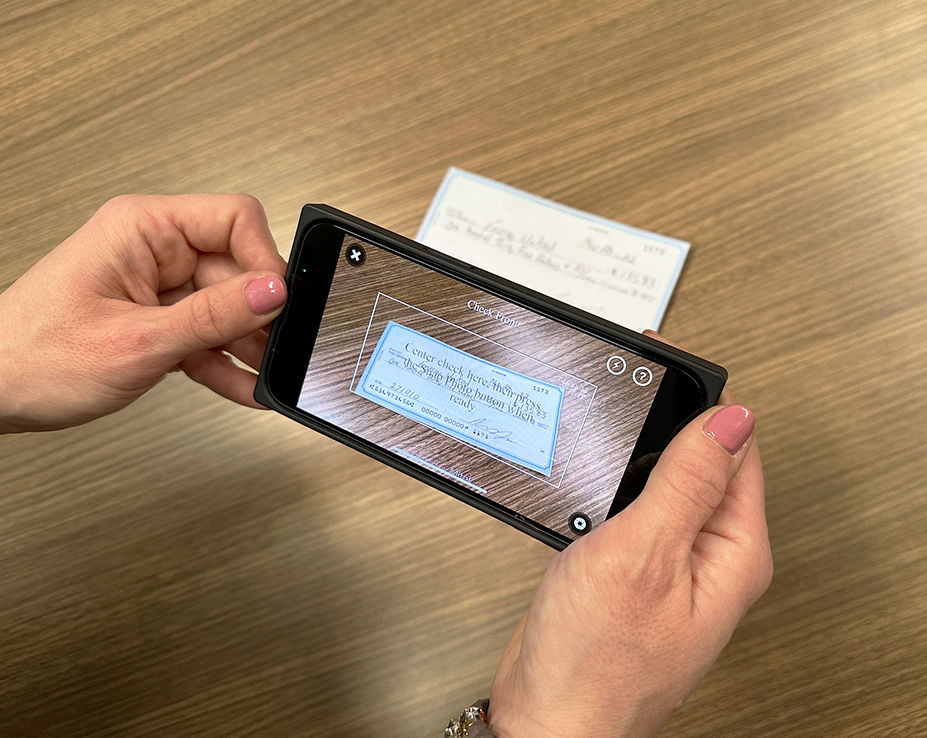
Mobile check deposit is one of those features that feels almost too easy.
Snap a photo. Submit. Done.
For most people, it’s become second nature. But because it’s so simple, it’s easy to forget there’s a process behind it — and a few situations where slowing down is actually helpful. Understanding how mobile deposit works (and when it’s the right choice) makes it easier to use confidently, without second‑guessing or overthinking it.
What’s Actually Happening When You Deposit a Check by Phone
When you deposit a check through an app, the check isn’t magically disappearing into the system. The images you submit are reviewed, verified, and processed through the same banking networks as a physical check.
The difference is convenience, not legitimacy.
Mobile deposit replaces:
A trip to a branch or ATM
Manual handling of the check
Waiting in line
with a digital version of the same process.
That’s why it works best when expectations are set correctly from the start.
Why Mobile Deposits Aren’t Always Instant
One of the most common questions around mobile deposit is timing. Sometimes funds appear quickly. Other times, there’s a short delay. That variation isn’t random — it’s part of how checks are verified.
A few things can affect timing:
The check amount
Whether the check matches typical deposit patterns
Image clarity
Timing of the deposit
This doesn’t mean something is wrong. It usually means the system is doing its job in the background.
If you’re depositing a routine check that looks like past activity, things often move quickly. When something looks different, the review process can take a bit longer.
When Mobile Deposit Is a Great Fit
Mobile check deposit shines in everyday situations.
It’s especially useful when:
You receive checks occasionally
You don’t want to rearrange your day around a deposit
The amount fits comfortably within typical deposit patterns
In these cases, mobile deposit removes friction without adding complexity. You do the same thing you would have done in person — just from wherever you are. For most people, this covers the majority of use cases.
When It’s Worth Pausing for a Moment
Mobile deposit is convenient, but it doesn’t have to be the answer every single time.
It’s worth slowing down if:
The check amount is significantly larger than usual
The check comes from an unfamiliar source
You need immediate certainty around availability
In those situations, giving the deposit a little extra attention can save frustration later. That might mean double‑checking details, making sure images are clear, or choosing a different deposit method if timing matters.
This isn’t about avoiding mobile deposit — it’s about matching the tool to the situation.
Simple Practices That Prevent Common Issues
Most mobile deposit issues aren’t technical. They’re visual or procedural.
A few habits make a big difference:
Endorse checks correctly
Place checks on a flat, dark surface when photographing
Make sure all corners are visible
Store the physical check safely until the deposit fully processes
Taking an extra moment here reduces delays and prevents follow‑up steps later. The goal is fewer surprises, not faster taps.
Why This Feature Fits Real‑Life Banking
Mobile deposit works best when it fades into the background. You’re not supposed to think about it often. You’re just supposed to trust that when you need it, it works — without adding rules, extra steps, or stress.
When financial tools are designed this way, they don’t change how you live your life. They just remove unnecessary obstacles.
That’s exactly what mobile check deposit is meant to do.
On Last Thought
Mobile deposit isn’t about speeding everything up. It’s about making everyday tasks easier. When you understand what’s happening behind the scenes and use the feature intentionally, it becomes a reliable option instead of a guessing game.
Convenience works best when it’s paired with clarity. Luckily, you don’t need to choose one over the other.